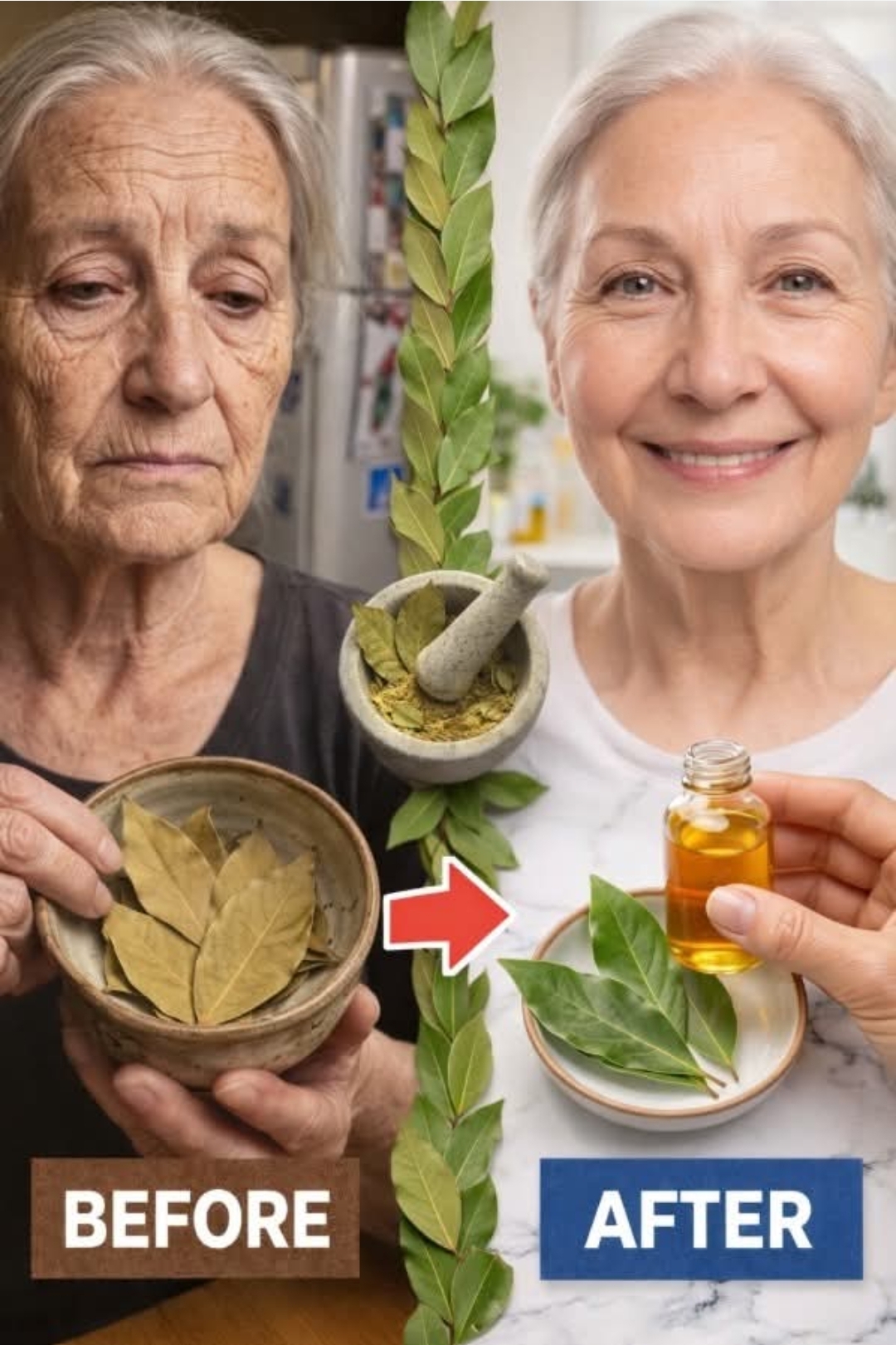
Bay Leaves for Skin Health: Exploring Traditional Uses, Antioxidant Properties, and Easy Home TipsThere is something quietly fascinating about the herbs that sit in the back of a kitchen cabinet. Most of the time, they are treated as supporting characters, the kind of ingredients people toss into soups, stews, and rice without much thought. Bay leaves are one of those herbs. They are dry, modest, and almost never the star of a recipe. Yet once you start looking beyond the pot and into traditional wellness practices, bay leaves begin to tell a very different story.For generations, people have reached for aromatic leaves, roots, seeds, and flowers not only to flavor food, but also to freshen the body, calm the senses, and support the skin in simple household ways. Bay leaves belong to that older world of natural care, where beauty was often tied to ritual rather than expensive products. A warm herbal rinse, a steam bowl, a fragrant compress, or a homemade infused water could become part of a weekly routine that felt grounding as much as practical.That is one reason bay leaves are attracting fresh attention today. In an era when skincare has become both highly scientific and deeply personal, people are looking for ingredients that feel familiar, affordable, and easy to use. Bay leaves offer that balance. They are traditional enough to feel timeless, but interesting enough to spark curiosity. And when people hear words like “antioxidants,” “plant compounds,” and “botanical skincare,” they naturally start wondering whether the same leaf that gives depth to a stew might also have a place in a gentle self-care routine.This does not mean bay leaves are a miracle fix. They are not a replacement for medical care, and they are not a magic shortcut to perfect skin. But they are worth exploring with a calm, realistic mindset. When used thoughtfully, bay leaves can fit into a broader approach to skin wellness that includes cleansing habits, hydration, sun protection, stress management, and a healthy routine that supports the skin from the inside out.🌱 What Are Bay Leaves, Really?When most people say “bay leaves,” they usually mean the leaves of Laurus nobilis, often called bay laurel. This Mediterranean plant has a long culinary and traditional-use history. Reviews of Laurus nobilis describe it as both a flavoring herb and a botanical long associated with folk uses, with leaves that contain essential oils and a wide range of bioactive compounds. (PMC)That background matters because skincare conversations often become confusing when people assume every fragrant leaf works the same way. Bay leaves are not just “another herb.” Their appeal comes from a particular combination of aroma, plant polyphenols, and volatile compounds that has drawn interest from food science, ethnobotany, and modern laboratory research. Reviews have highlighted phenolic compounds and essential-oil constituents in Laurus nobilis, including substances such as 1,8-cineole and other terpenes commonly discussed in bay laurel chemistry. (PMC)For a wellness-minded reader, the simplest way to think about bay leaves is this: they are an aromatic botanical with a strong traditional reputation and a growing scientific profile, especially around antioxidant and antimicrobial activity. That does not automatically make them a proven skincare treatment, but it does explain why they continue to show up in conversations about herbal beauty care. (PMC)🍃 Why Bay Leaves and Skin Health Are Being Talked About NowA few things have happened at once. First, many people are tired of overcomplicated routines. Ten-step regimens can feel exhausting, expensive, and difficult to maintain. Second, there is renewed interest in botanical ingredients that feel more rooted in everyday life. Third, consumers have become far more aware of the role oxidative stress, environmental exposure, and barrier support may play in how skin looks and feels over time. That has led people to revisit herbs that earlier generations used more intuitively.Bay leaves fit beautifully into that conversation. They are affordable, accessible, and easy to prepare in gentle forms such as a cooled rinse, steam bowl, diluted infusion, or occasional DIY mask base. On top of that, the language of modern research gives them a second life. Reviews and studies on Laurus nobilis repeatedly discuss antioxidant, antimicrobial, and anti-inflammatory potential, which naturally leads skincare enthusiasts to ask whether bay leaves might help support a cleaner-feeling, more balanced complexion when used carefully. (PMC)There is also a psychological reason bay leaves are appealing. They smell grounding. They bring ritual into routine. Skincare is not only about visible results; it is also about consistency. A person is more likely to stick with a routine that feels comforting and enjoyable. A simple bowl of warm bay leaf steam or a homemade herbal face compress can make skincare feel less like maintenance and more like a reset.🌿 A Brief History of Bay Leaves in Traditional LifeBay laurel has deep roots in Mediterranean history, where it was valued not only in cooking but also symbolically and traditionally. Over time, bay leaves became associated with cleansing, preservation, fragrance, and household remedies. Review literature on Laurus nobilis notes its long-standing use in folk medicine and traditional preparations such as infusions and decoctions. (PMC)In older home traditions, aromatic herbs often served multiple purposes at once. They made rooms smell fresher. They were steeped in water for rinses. They were bundled in baths. They were pressed into oils or combined with other plants in beauty rituals that were passed from one generation to the next. Bay leaves fit naturally into that pattern because they were already nearby, useful, and trusted.Across different regions, people used herbs not only for appearance but for the feeling of cleanliness, comfort, and restoration. Skin was seen less as a problem to “fix” and more as a reflection of balance. This older worldview is worth remembering because it changes how we use bay leaves today. Instead of expecting dramatic overnight changes, it makes more sense to view bay leaves as one small tool in a steady routine.🌼 Why the Skin Loves Plant RitualsBefore diving into compounds and benefits, it helps to pause on one truth: skin responds well to gentleness. The modern beauty world often pushes intensity. Strong acids, harsh scrubs, aggressive exfoliation, and too many active ingredients can leave skin feeling stripped and reactive. In contrast, many traditional plant-based routines focus on soft support.That is where bay leaves can be appealing. They are usually explored in mild, low-cost, low-pressure ways. A diluted infusion is not trying to overpower the skin. A steam bowl is not demanding perfection. A simple rinse is not pretending to erase every concern. These rituals work best when they are integrated into a larger mindset of care, patience, and observation.In other words, bay leaves are not interesting because they promise everything. They are interesting because they invite a slower style of skincare.🧪 Key Compounds and Antioxidant Properties in Bay LeavesThis is where the story becomes more scientific. Laurus nobilis has been studied for both volatile compounds and polyphenolic content. Reviews describe bay leaves as a source of phenolic compounds and essential-oil constituents, and they are frequently discussed in relation to antioxidant activity. (PMC)Antioxidants matter in skincare conversations because the skin is constantly exposed to everyday stressors. Sunlight, pollution, lack of sleep, smoke exposure, and general environmental wear can all contribute to oxidative stress. Antioxidants are often talked about as compounds that help neutralize unstable molecules and support the skin’s broader defense environment. Bay leaves are not unique in this respect, but their antioxidant profile is one reason they have become interesting in modern botanical discussions. (PMC)Bay leaves also contain aromatic compounds commonly associated with their signature scent. The essential oil of Laurus nobilis has been widely analyzed, and reviews discuss components such as 1,8-cineole, terpenes, and related volatile molecules. These compounds are part of what gives bay leaves their herbal sharpness and why they are often explored in fragrance, preservation, and botanical research settings. (PMC)For skin-focused readers, the most useful takeaway is simple: bay leaves are chemically active enough to be interesting, but concentrated enough in essential-oil form to deserve caution. That balance is exactly why mild preparations are generally a smarter place to begin than highly concentrated DIY experiments.💚 Benefit 1: Bay Leaves May Help Support a Fresher-Looking ComplexionOne of the most common reasons people explore bay leaves for skin health is the desire for a complexion that looks less dull and feels more refreshed. This does not mean bay leaves are a brightening treatment in the cosmetic-marketing sense. Rather, when used as part of a gentle rinse or steam routine, they can contribute to the overall experience of cleansing and reset.Sometimes skin looks tired not because it needs something dramatic, but because it needs consistency, less irritation, and better support. A calm herbal routine can encourage that. The sensory effect alone can help someone slow down, cleanse more mindfully, and avoid the cycle of overwashing followed by heavy product use.And that is one of the hidden benefits of traditional ingredients: they often improve the routine even before they improve the skin.💧 Benefit 2: Bay Leaves Fit Well Into Hydration-Friendly RitualsBay leaves themselves are not a moisturizer. They do not replace a cream, lotion, or barrier-supporting product. But they can work well in routines built around hydration. For example, a cooled bay leaf infusion can be used as a brief rinse before applying a simple moisturizer, or as part of a warm cloth compress followed by a fragrance-free cream.This kind of layering matters. Skin tends to respond better when a botanical step is followed by something that helps seal in comfort. The bay leaf portion adds the ritual and plant touch. The moisturizer adds the practical barrier support. Together, they create a routine that feels complete rather than trendy.🛡️ Benefit 3: Bay Leaves Are Often Discussed for Their Antioxidant ActivityThis is one of the strongest reasons bay leaves appear in wellness content today. Scientific reviews have repeatedly discussed Laurus nobilis for antioxidant potential, especially in relation to its phenolic compounds and extracts. (PMC)In skincare language, antioxidant-rich botanicals are often valued because they can complement an overall routine aimed at supporting skin exposed to daily environmental stress. That does not mean a homemade bay leaf rinse can do the work of sunscreen, prescription care, or clinically tested actives. It simply means bay leaves have a credible reason for being part of the conversation.And that distinction is important. Bay leaves are best appreciated as supportive, not heroic.🌸 Benefit 4: Bay Leaves Can Add a Clarifying Feel to Simple Skin RitualsMany people love ingredients that leave the skin feeling clean but not tight. Bay leaf preparations, especially diluted ones, are often appreciated for that reason. They can bring a sense of freshness without the grainy harshness of physical scrubs or the sting of stronger actives.A warm bay leaf compress used once in a while can feel especially soothing after a long day, heavy makeup, or humid weather. Not because it is medically treating anything, but because it creates the sensation of reset. That feeling matters more than people think. When skin feels more comfortable, people are less likely to overdo their routines.🌿 Benefit 5: Bay Leaves Pair Naturally With Other Gentle BotanicalsPart of the beauty of bay leaves is that they do not need to work alone. In traditional home care, herbs were often combined thoughtfully. Bay leaves can sit nicely alongside ingredients like oatmeal, rose water, plain yogurt, aloe vera gel, or chamomile in very simple routines, as long as the person using them knows their skin tolerates those ingredients well.This makes bay leaves flexible. Someone with a minimalist routine might use only a diluted bay leaf rinse. Someone who enjoys weekend self-care might pair that rinse with a mild oat mask or a post-mask moisturizer. The point is not to build a kitchen-sink experiment. The point is to use bay leaves as one interesting part of a balanced, skin-respectful practice.✨ Benefit 6: They Encourage Consistency Through SimplicityThe best skincare routine is usually not the fanciest one. It is the one a person can actually keep doing. Bay leaves are easy to store, inexpensive to buy, and simple to prepare. That makes them more realistic than rare oils or expensive botanical serums that people use twice and forget.Consistency can improve almost every aspect of self-care. When a person has a steady rhythm of washing gently, moisturizing regularly, avoiding irritation, and using a calming herbal step once or twice a week, the skin often benefits from the routine itself. Bay leaves are helpful here because they lower the barrier to entry. They make ritual affordable.🌞 Benefit 7: Bay Leaves Can Be Part of a Post-Exposure Reset RoutineAfter a long day in a dry office, a dusty commute, or time spent wearing makeup, the skin may simply want a gentler end-of-day process. A lukewarm bay leaf cloth compress can fit nicely into that kind of reset. It is not a treatment for sun damage or irritation, and it should never replace daily sun protection, but it can become part of the ritual that follows the day’s buildup.This is where traditional ingredients often shine. They make transitions easier. Day to night. Stress to calm. Exposure to rest.🌺 Benefit 8: Bay Leaves Bring Aroma Into Beauty CareSkincare is deeply sensory. People stay loyal to products and rituals that smell comforting, feel clean, and fit emotionally into their day. Bay leaves bring a dry, herbal, almost grounding aroma that feels very different from sugary fragrances or floral-heavy products.That scent can make a skincare routine feel more intentional. It can also help people reduce reliance on heavily perfumed products if they prefer a more natural aromatic profile. Of course, sensitive skin users should be extra cautious with fragrance in any form, including plant-based aroma. But for many people, the scent of bay leaves is part of the appeal.🧴 Benefit 9: Bay Leaves Offer a Gentle Entry Point Into Herbal SkincareNot everyone wants to start with concentrated essential oils or specialty botanicals. Bay leaves are approachable. They are familiar. They do not feel intimidating. A person who is curious about herbal skincare but unsure where to begin may feel more comfortable experimenting with a basic rinse or steam using an herb they already recognize.This familiarity matters. The more approachable the routine, the more likely someone is to use it carefully and mindfully rather than chasing dramatic results.🌍 Traditional Uses in Different CulturesBay leaves have appeared in many food and home traditions, especially around the Mediterranean and nearby regions, where aromatic herbs often crossed the boundaries between kitchen, household care, and folk wellness. Reviews of Laurus nobilis describe traditional uses in infusions, decoctions, and folk medicinal practices. (PMC)In some traditions, fragrant leaves were steeped in water and used in washing rituals. In others, herbs were blended into bath preparations, cleansing water, or warm cloth applications. Sometimes the purpose was cosmetic. Sometimes it was ceremonial. Sometimes it was simply practical. In older households, these categories were not always separated.This cultural memory is part of why bay leaves still resonate. They belong to a kind of care that feels lived-in and domestic. Even today, many people find comfort in the idea that beauty can begin with something as ordinary as a pot of water and a handful of leaves.🔬 Scientific Interest and What Modern Research Actually SuggestsHere is where balance matters most. Research interest in Laurus nobilis is real. Reviews and studies describe antioxidant, antimicrobial, and anti-inflammatory activity in extracts and essential oils, and there is ongoing interest in how these properties may relate to broader health and formulation uses. (PMC)Some research has even explored wound-healing or topical-formulation angles involving Laurus nobilis-derived materials. (PMC)But this is the part that skincare readers deserve to hear clearly: laboratory findings, extract studies, and formulation studies do not automatically prove that a homemade bay leaf rinse will produce dramatic visible skincare results. Research can support curiosity without justifying hype. The most honest position is that bay leaves are promising as a botanical with interesting chemistry, yet still best approached as a gentle supportive ingredient rather than a proven cure-all. (PMC)That realistic framing actually makes bay leaves more useful. Once we stop asking them to do everything, we can start appreciating what they may do well: add antioxidant-rich botanical interest to simple routines, support a fresh-feeling ritual, and encourage a slower, more consistent style of skincare.🌙 The Real Secret Behind Bay Leaves for Skin HealthThe deeper value of bay leaves may not be only chemical. It may be behavioral.When someone makes bay leaf water at home, they are already doing several healthy things at once. They are slowing down. They are paying attention. They are touching their skin more gently. They are often pairing the ritual with cleansing, hydration, rest, and a break from overcomplicated products. In that sense, bay leaves become part of a system that supports skin health through routine, not just through ingredients.And that is what makes them so compelling. They sit at the crossroads of tradition and modern curiosity. They smell like old kitchens and new wellness trends at the same time. They are humble enough to seem ordinary, yet interesting enough to keep people asking questions.The best part is that page two is where bay leaves become practical. Because knowing the story is one thing. Actually turning that story into a safe, easy, realistic home routine is another.If you have ever wondered how to prepare bay leaves for skincare, how often to use them, what mistakes to avoid, and how to keep the routine gentle and sensible, that is where the next part begins.🍵 How to Prepare Bay Leaves for Skin Health at HomeNow that the background is clear, the real question becomes practical: how do you actually use bay leaves in a skincare-friendly way without turning a simple herb into an overcomplicated project?The best answer is to keep things gentle. For home use, bay leaves are usually most approachable in diluted, water-based forms rather than in potent, highly concentrated oils. A basic infusion, steam bowl, or compress is far more beginner-friendly than experimenting with strong essential oils. This matters because essential oils can irritate or sensitize skin if they are used improperly, and bay laurel oil has been associated in the literature with allergic contact dermatitis in some cases. (PubMed)So the ideal approach is not “more is better.” It is “milder is smarter.”🌿 The Simplest Bay Leaf Infusion for SkinA basic bay leaf infusion is the easiest place to start. Think of it like making a gentle herbal water.You can use about 4 to 6 dried bay leaves with around 2 cups of water. Bring the water to a boil, lower the heat, and let the leaves sim
Bay Leaves for Skin Health: Exploring Traditional Uses, Antioxidant Properties, and Easy Home Tips