
# Search Results for: Parsley: The Simple Remedy That Our Grandmothers Used
Parsley, a common herb found in many kitchens, has been a staple in culinary practices and traditional medicine for centuries. This humble green garnish, often overlooked, possesses numerous health benefits that our grandmothers recognized and utilized. In this article, we’ll delve into the various uses, benefits, and simple remedies that harness the power of parsley, illustrating why it’s time to bring this underrated herb back into the spotlight.
## The Nutritional Profile of Parsley
Before exploring the remedies, it’s essential to understand why parsley is so beneficial. Parsley is rich in vitamins and minerals, making it a powerhouse of nutrition. It contains:
– **Vitamin K:** Essential for bone health and proper blood clotting.
– **Vitamin C:** A vital antioxidant that boosts the immune system and aids in wound healing.
– **Vitamin A:** Crucial for eye health and vision.
– **Iron:** Important for transporting oxygen in the blood.
– **Folic Acid:** Known for its role in cell division and essential for pregnant women.
In addition to vitamins, parsley is also rich in flavonoids and essential oils that contribute to its medicinal properties. These compounds help improve overall health, making parsley much more than just a garnish.
## Traditional Uses of Parsley
Our grandmothers often relied on parsley for its medicinal properties. Here are some traditional remedies that have stood the test of time:
### 1. Parsley for Digestive Health
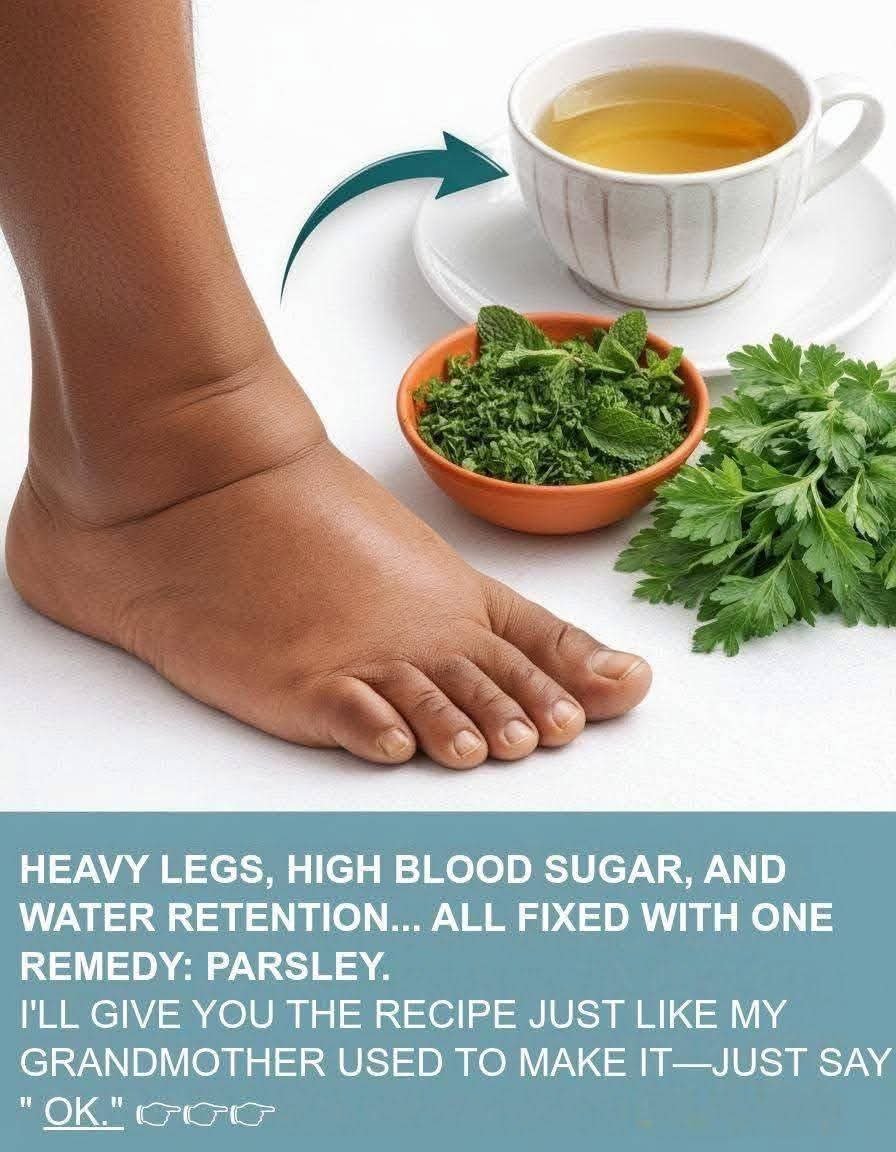
Parsley has been used as a digestive aid for centuries. It helps alleviate bloating and acts as a diuretic, assisting in the removal of excess water from the body. A simple remedy involves brewing parsley tea. To make parsley tea, follow these steps:
– **Ingredients:** A handful of fresh parsley and water.
– **Instructions:** Boil water, add fresh parsley, and steep for 5 to 10 minutes. Strain and enjoy.
This tea can help soothe an upset stomach and promote healthy digestion. Drinking parsley tea after meals is a traditional practice that can help improve gastrointestinal health.
### 2. Parsley as a Natural Diuretic
Due to its high concentration of potassium, parsley is a natural diuretic and can help expel excess fluid. This property makes it beneficial for individuals with high blood pressure or those who are prone to water retention. To create a parsley-infused water recipe:
– **Ingredients:** Fresh parsley and a liter of water.
– **Instructions:** Chop fresh parsley and steep it in boiling water for several minutes. Allow the mixture to cool and drink throughout the day.
This homemade parsley drink can improve kidney function and assist in flushing out toxins from the body.
### 3. Skin Care with Parsley
Our grandmothers often utilized parsley for its skin-healing properties. The high vitamin C content helps brighten the skin and reduce dark spots. A parsley face mask can be a refreshing addition to skincare routines:
– **Ingredients:** Fresh parsley leaves, lemon juice, and honey.
– **Instructions:** Blend the fresh parsley with a teaspoon of lemon juice and a teaspoon of honey until smooth. Apply this mixture to the face and let it sit for 15 minutes before rinsing off with warm water.
This mask can rejuvenate the skin, promote a natural glow, and combat blemishes.
### 4. Parsley for Oral Health
Parsley has natural antibacterial properties, making it an effective remedy for maintaining oral hygiene. Chewing on fresh parsley leaves can help freshen breath and may reduce oral bacteria. Furthermore, it can be incorporated into homemade mouth rinses to combat bad breath:
– **Ingredients:** Fresh parsley, water, and a pinch of salt.
– **Instructions:** Blend fresh parsley with water and strain. Rinse your mouth with this mixture regularly to help maintain oral health.
This remedy reflects how parsley was treasured not just for cooking but also for its health benefits through history.
## How to Incorporate Parsley into Your Diet
Wondering how to incorporate parsley into your meals? Here are some popular ways:
– **Garnish:** Use fresh parsley to garnish soups, meats, or salads.
– **Pesto:** Blend parsley with garlic, nuts, olive oil, and cheese for a unique twist on traditional pesto.
– **Smoothies:** Add a handful of parsley to your smoothies for a nutritious boost.
– **Salads:** Mix fresh parsley into salads for an added flavor and nutritional kick.
### Cooking Tips
When cooking with parsley, it’s vital to use it properly to retain its flavor and nutrients. Add parsley at the end of cooking, as prolonged cooking can diminish its flavor and health benefits. Fresh parsley is preferred, but dried parsley can also be used if fresh options are unavailable.
## Conclusion
Parsley, often seen merely as a garnish, has immense potential and is a valuable addition to any health-conscious kitchen. From its flavorful properties in dishes to its numerous health benefits, it’s clear that this herb is underappreciated. By embracing the traditional remedies that our grandmothers used, we can unlock the myriad benefits of parsley and incorporate it into our modern lives. So, next time you see parsley, remember: it’s more than just a decorative touch on your plate; it’s a simple remedy that offers a wealth of health benefits waiting to be explored.
Incorporating parsley into your daily routine can be a step towards a healthier lifestyle. With its rich nutritional profile and versatile uses, it’s time to respect and utilize this simple herb that our grandmothers swore by. Whether you brew a tea, make a face mask, or add it to your meals, parsley is an easy and effective way to boost your health.