
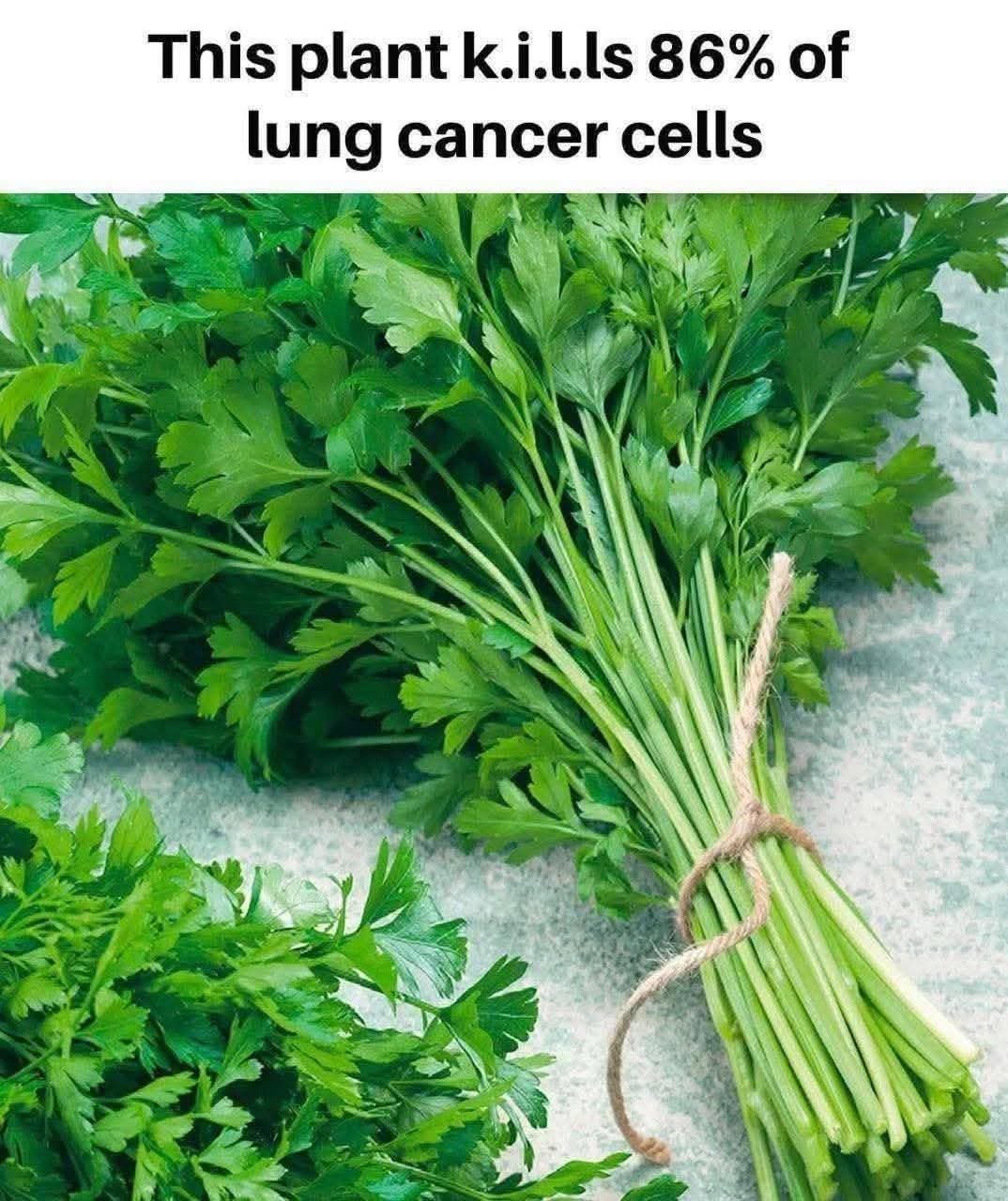
# Search Results for: This Plant K.I.L.Ls 86% of Lung Cancer Cells
Lung cancer remains one of the leading causes of cancer-related deaths worldwide. As individuals search for effective solutions, recent studies have brought to light the potential of a certain plant to significantly impact lung cancer cells. Many are curious about the effectiveness of this plant, which reportedly can K.I.L.L 86% of lung cancer cells. In this article, we will explore the plant in detail, its benefits, and its role in cancer treatment.
## Understanding Lung Cancer
Before diving into the specifics of this plant, it is crucial to understand lung cancer itself. Lung cancer typically develops in the tissues of the lungs and can be categorized into two main types: small cell lung cancer (SCLC) and non-small cell lung cancer (NSCLC). NSCLC represents about 85% of lung cancer cases and tends to grow more slowly than its small cell counterpart.
### Symptoms of Lung Cancer
Lung cancer might present various symptoms, including, but not limited to:
– Persistent cough
– Chest pain
– Weight loss
– Shortness of breath
– Coughing up blood
It’s vital for individuals experiencing these symptoms to seek medical attention promptly.
## The Role of Natural Treatments in Cancer Therapy
As the medical community advances in understanding cancer, there is an increasing interest in natural treatments. Many people turn to herbal remedies and natural compounds alongside conventional treatments such as chemotherapy and radiation. The use of plants in fighting cancer is an exciting area of research.
## The Plant That K.I.L.Ls 86% of Lung Cancer Cells
The plant at the center of this discussion is the **cannabis plant**, specifically its non-psychoactive compound known as cannabidiol (CBD). Recent studies point out that CBD exhibits potential anticancer properties, particularly against lung cancer cells.
### What is CBD?
CBD is one of over a hundred cannabinoids found in cannabis. Unlike tetrahydrocannabinol (THC), CBD does not produce a high but is believed to have numerous therapeutic effects. Research indicates that CBD may interfere with cancer cell proliferation and induce apoptosis, the process of programmed cell death.
### How CBD Affects Lung Cancer Cells
Research, including studies conducted at prominent universities, has shown that CBD can significantly reduce the viability of lung cancer cells. In one study, CBD was found to inhibit the migration and invasion of lung cancer cells while promoting apoptosis in up to 86% of the cancer cells tested.
**Mechanisms of Action:**
1. **Anti-Inflammatory Properties:** CBD helps reduce inflammation, which is often linked to tumor growth.
2. **Induction of Apoptosis:** The compound activates certain pathways leading to the death of cancer cells.
3. **Inhibition of Angiogenesis:** CBD may limit the formation of new blood vessels that tumors require for growth.
## Other Beneficial Natural Compounds
While CBD is notable, other plants and natural compounds have also shown promise in combating cancer.
### Turmeric (Curcumin)
Turmeric’s active compound, curcumin, has been well-studied for its anticancer properties. It helps by blocking the proliferation of cancer cells and enhancing the effects of chemotherapy.
### Green Tea (EGCG)
Epigallocatechin gallate (EGCG), a powerful antioxidant found in green tea, has been shown to inhibit the growth of several types of cancer cells, including lung cancer. Drinking green tea regularly can provide these benefits.
### Garlic
Garlic contains compounds that have demonstrated anticancer effects. Studies suggest that sulfur compounds in garlic can enhance the immune system while lowering the risk of developing various cancers.
## Incorporating Natural Remedies
For those interested in integrating natural treatments into their cancer care regimen, it is essential to do so under the guidance of healthcare professionals. Here are some suggestions:
### Consult with Your Doctor
Always let your healthcare provider know about any natural supplements or remedies you’re considering. They can help monitor interactions with conventional treatments.
### Find Quality Products
If choosing to use CBD products, look for those that are sourced from reputable suppliers. Check for third-party testing to ensure quality and concentration.
### Focus on Nutrition
A well-balanced diet rich in fruits, vegetables, whole grains, and healthy fats can support your overall health and enhance the effectiveness of treatment options.
## Conclusion
The rise of natural remedies, particularly the cannabis plant’s CBD, shows great promise in the fight against lung cancer. While the research highlighting its ability to K.I.L.L 86% of lung cancer cells is promising, it is essential to approach treatments holistically, combining them with traditional medical practices. As scientific exploration continues, more natural solutions may emerge, providing hope and possibly saving lives.
As with any health-related topic, it’s crucial to stay informed and consult with healthcare professionals when considering new treatments. Together, conventional and natural therapies may pave the way toward more effective cancer care, offering patients better outcomes and improved quality of life.