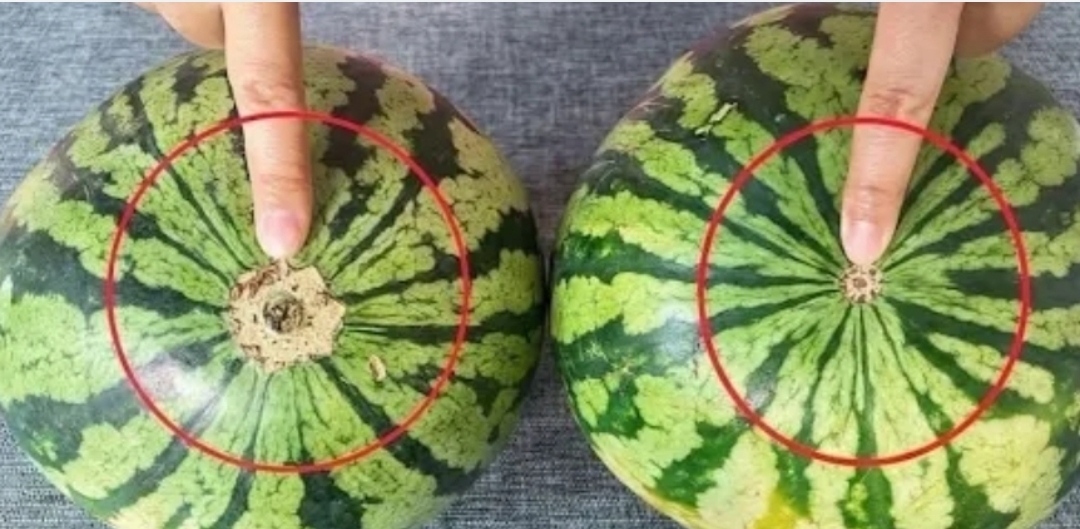
How to Pick the Perfect Watermelon Every Time: 4 Easy Tricks for a Sweet and Juicy FruitCategory: Food | Healthy Eating | Summer FruitsNothing says summer quite like biting into a cold, juicy slice of watermelon. Sweet, refreshing, and packed with water, this favorite seasonal fruit is perfect for picnics, barbecues, and hot afternoons. But there’s one problem many shoppers face: How do you know if a watermelon is ripe before you cut it open?Fortunately, you don’t have to rely on luck. By paying attention to a few simple signs, you can greatly improve your chances of choosing a watermelon that’s sweet, juicy, and full of flavor.Here’s what to look for the next time you’re shopping.Why Choosing the Right Watermelon MattersNot every watermelon tastes the same. Some are naturally sweet and crisp, while others may be bland or underripe.Since you can’t see the inside before buying, learning how to recognize external signs of ripeness can help you avoid disappointment and get the best value for your money.1. Check the Skin ColorThe first thing to examine is the watermelon’s outer rind.A ripe watermelon usually has:A deep, dark green colorA dull or matte finishFirm, smooth skinAvoid watermelons that appear:Very shinyPale greenGrayish in colorA glossy appearance may indicate that the fruit was harvested before it fully ripened.2. Look for the Yellow Field SpotOne of the easiest ways to judge ripeness is by checking the field spot—the area where the watermelon rested on the ground while growing.A good field spot should be:Creamy yellowGolden yellowWell-developedAvoid watermelons with:White field spotsVery pale yellow spotsA rich yellow field spot generally suggests the fruit remained on the vine long enough to mature naturally.3. Examine the Stripe PatternThe dark and light green stripes on the rind can also provide clues.Look for:Clear, well-defined stripesEven coloringConsistent patternsSome people believe that watermelons with stronger, more distinct striping tend to be sweeter, although this isn’t a guarantee.4. Check the Blossom End (“Belly Button”)The blossom end—sometimes called the navel or “belly button”—is located opposite the stem.Many experienced shoppers prefer watermelons with:A small blossom endA neat, closed appearanceA smaller blossom scar may indicate that the fruit matured properly before harvest.Additional Tips for Choosing a Great WatermelonBesides appearance, many people also use these simple techniques:Pick It UpA ripe watermelon should feel heavy for its size because it contains plenty of water.Tap the WatermelonSome shoppers gently knock on the rind.Many believe that:A deep, hollow sound suggests good ripeness.A dull or flat sound may indicate the fruit is overripe or underripe.While this method isn’t foolproof, many experienced buyers use it along with other visual signs.Avoid DamageChoose watermelons without:Deep cutsSoft spotsLarge bruisesCracksMoldMinor surface scratches are usually harmless, but damaged fruit may spoil more quickly.Health Benefits of WatermelonBesides being delicious, watermelon offers several nutritional benefits.It is naturally rich in:Vitamin CVitamin APotassiumLycopeneAntioxidantsBecause it’s made up of more than 90% water, watermelon is also an excellent fruit for staying hydrated during hot weather.How to Store WatermelonTo keep your watermelon fresh:Whole watermelonStore at room temperature until cut.Keep away from direct sunlight.Cut watermelonRefrigerate immediately.Cover tightly or store in an airtight container.Consume within 3–5 days for the best flavor and texture.Frequently Asked QuestionsHow can you tell if a watermelon is ripe?Look for a dull green rind, a creamy yellow field spot, a heavy weight, and a small blossom end. These are commonly used signs that may indicate good ripeness.What does the yellow spot on a watermelon mean?The yellow field spot shows where the watermelon rested on the ground while ripening. A creamy yellow spot generally suggests the fruit matured naturally on the vine.Should a watermelon be shiny or dull?A ripe watermelon usually has a dull or matte appearance rather than a glossy surface.Is a heavier watermelon better?Yes. A watermelon that feels heavy for its size is often juicier because it contains more water.How long does cut watermelon last?When refrigerated in a sealed container, cut watermelon typically stays fresh for 3 to 5 days.Final ThoughtsChoosing a sweet watermelon doesn’t have to be a guessing game. By checking the skin color, examining the yellow field spot, looking at the stripe pattern, and inspecting the blossom end, you can improve your chances of bringing home a delicious, juicy fruit.While no single method guarantees perfection every time, combining these simple tips can help you make a more informed choice. The next time you’re at the grocery store or farmers market, take an extra minute to inspect your watermelon—you’ll be much more likely to enjoy a sweet and refreshing treat that’s perfect for summer.
No more bland watermelons! Here’s a sure-fire visual guide to finding the sweetest fruit at the market.